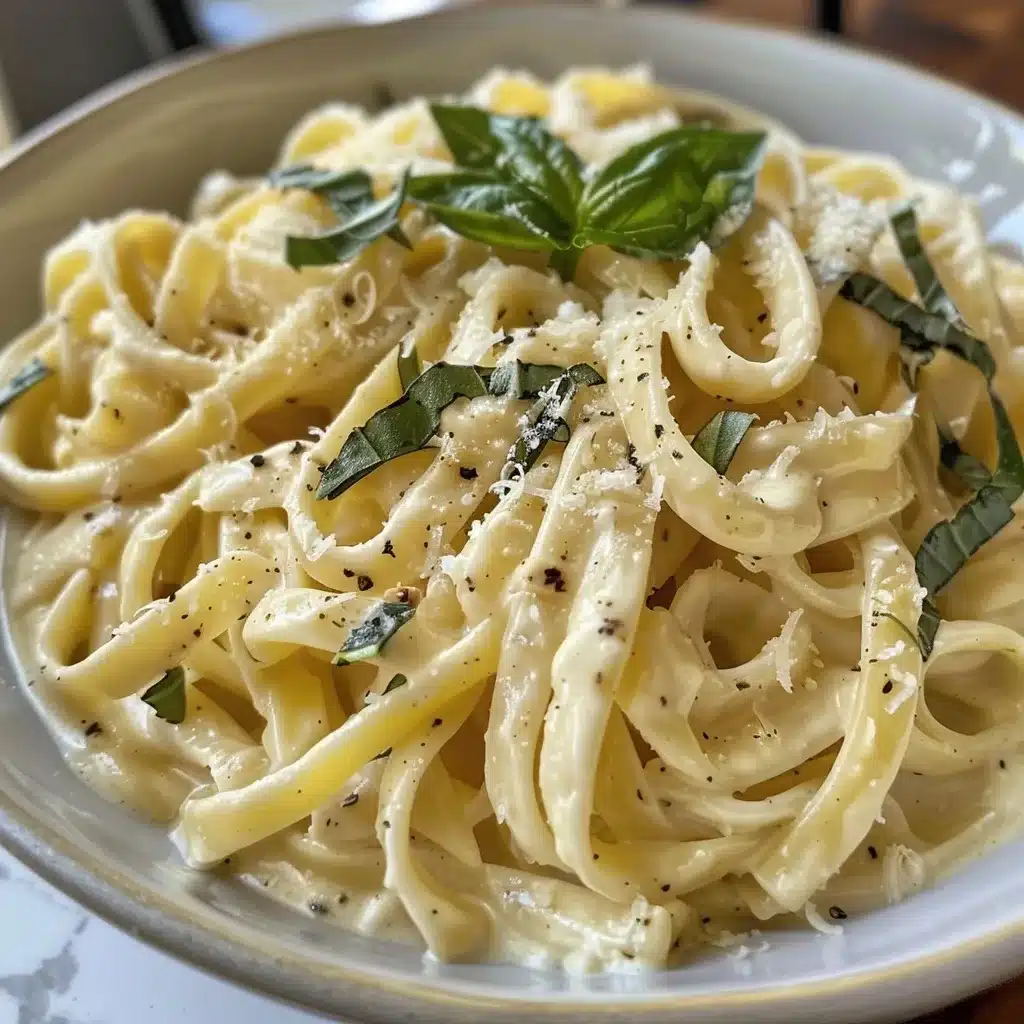
Creamy lemon basil pasta perfect for fall weeknight dining combines zesty citrus notes with aromatic herbs for a comforting meal. This simple vegetarian dish utilizes fresh garden produce to create a velvety sauce that coats every strand of pasta. You will appreciate how quickly this restaurant-quality dinner comes together on your busiest evenings.
Recipe Overview
| Property | Details |
|---|---|
| Prep Time | 10 minutes |
| Cook Time | 15 minutes |
| Total Time | 25 minutes |
| Servings | 4 |
| Difficulty | Easy |
| Cuisine | Italian-Inspired |
Why This Recipe Works
This creamy lemon basil pasta works because it relies on high-quality pantry staples and fresh herbs to deliver complex flavors without hours of effort. The balance of acidity from the fresh lemon juice cuts through the richness of the heavy cream, ensuring the dish remains bright rather than heavy. This allows you to enjoy a luxurious texture while keeping the palate clean and refreshed throughout the dining experience.
Personal experience proves that this specific combination of textures provides the ultimate comfort food solution when autumn temperatures begin to drop. By utilizing reserved pasta water, the sauce transforms into a glossy, clingy emulsion that perfectly adheres to linguine or spaghetti. You can easily adapt this dish using leftover roasted vegetables to tailor it to seasonal preferences while keeping the preparation time minimal for busy weeknight schedules.
Ingredients
| Ingredient | Quantity | Notes |
|---|---|---|
| Linguine | 1 lb | Substitute with fettuccine or any long pasta. |
| Heavy Cream | 1 cup | Use full-fat coconut milk for a vegan alternative. |
| Fresh Lemon | 2 large | Zest and juice required for depth of flavor. |
| Fresh Basil | 1 cup | Pack tightly before chopping finely. |
| Parmesan Cheese | 1/2 cup | Use freshly grated for superior melting properties. |
| Garlic | 3 cloves | Mince finely to distribute flavor evenly. |
| Olive Oil | 2 tbsp | Use high-quality extra virgin oil. |
Step-by-Step Instructions
Boiling the Pasta
- Boil a large pot of heavily salted water over high heat.
- Add the pasta and cook until al dente following the package directions.
- Reserve one cup of the starchy pasta water before draining the noodles.
Creating the Sauce
- Heat the olive oil in a large skillet over medium-low heat.
- Sauté the minced garlic until fragrant but not browned.
- Whisk in the heavy cream and lemon zest, allowing the mixture to simmer gently for three minutes.
Final Assembly
- Add the cooked pasta to the skillet, tossing thoroughly to coat with the sauce.
- Stir in the Parmesan cheese, lemon juice, and half of the chopped fresh basil.
- Adjust the consistency by adding small splashes of the reserved pasta water as needed.
- Serve immediately topped with the remaining fresh basil and extra cheese.
Chef Tips for Perfect Results
- Use freshly grated Parmesan cheese instead of pre-shredded varieties to ensure the sauce stays smooth and creamy.
- Keep the heat low when adding the cream to prevent curdling and keep the emulsion stable at all times.
- Reserve enough pasta water as the starch is the secret ingredient for emulsifying the sauce into a restaurant-quality consistency.
- Add the fresh basil only at the very end of cooking to maintain its vibrant green color and intense aromatic profile.
Common Mistakes to Avoid
The most common mistake is overheating the cream, which causes it to separate and look greasy rather than velvety. Avoid this by keeping your burner on low and turning it off completely before mixing in the final components. Another error is failing to salt the pasta water sufficiently, which results in bland noodles that cannot hold their own against the rich sauce. Always ensure the water tastes like the sea before adding the pasta to maximize flavor depth.
Variations and Substitutions
| Ingredient | Substitution | Impact on Flavor |
|---|---|---|
| Heavy Cream | Full-fat coconut milk | Adds a subtle tropical sweetness and makes the dish dairy-free. |
| Linguine | Gluten-free chickpea pasta | Adds nuttiness and provides a higher protein alternative. |
| Parmesan | Nutritional yeast | Provides a savory umami kick for vegan dietary requirements. |
Serving Suggestions and Pairings
Serve this pasta alongside a crisp garden salad dressed with simple vinaigrette to balance the richness of the cream sauce. A side of roasted garlic broccolini elevates the meal for formal dinner parties, adding texture and earthy notes. Crusty sourdough bread is also an essential addition to mop up the remaining sauce from your plate when the noodles are gone.
Storage and Reheating
| Method | Duration | Instructions |
|---|---|---|
| Refrigerator | 3 days | Store in an airtight container and add a splash of water before reheating. |
| Stove Top | 5 minutes | Reheat on low heat, stirring constantly to prevent the sauce from breaking. |
Nutritional Information
Approximate values per serving:
| Nutrient | Amount per Serving |
|---|---|
| Calories | 450 kcal |
| Protein | 12g |
| Fat | 18g |
| Carbohydrates | 58g |
Frequently Asked Questions
Can I make this recipe dairy-free?
Yes, you can substitute the heavy cream with full-fat coconut milk or a commercial plant-based heavy cream alternative. These substitutes effectively replicate the desired consistency while maintaining the dish’s integrity.
How do I prevent the sauce from drying out?
You prevent the sauce from drying out by reserving starchy pasta water during the cooking process. Adding two tablespoons of this water during the final toss refreshes the sauce and keeps it glossy after plating.
Which pasta shapes work best?
Long pasta shapes like linguine, spaghetti, or fettuccine work best because they offer maximum surface area for the sauce to cling. These types of noodles provide an authentic Italian eating experience that pairs perfectly with herb-based sauces.
Can I prepare the sauce in advance?
You should prepare this dish fresh because the cream-based sauce does not hold its texture well when stored long term. If you must prepare elements ahead, grate your cheese and chop the basil, but cook the sauce just before serving.
How do I know when the sauce is finished cooking?
The sauce is finished when it reaches a consistency where it coats the back of a metal spoon without running off instantly. This thickening usually happens around the three-minute mark after adding the cream.
Bringing this creamy lemon basil pasta to your table provides a sophisticated yet accessible dinner option throughout the autumn months. The bright citrus notes combined with fresh basil offer a vibrant contrast to cooler evening temperatures. Enjoy this dish regularly to satisfy your cravings for simple, fresh, and indulgent Italian-inspired comfort food at home.
Creamy Lemon Basil Pasta
Ingredients
Method
- Bring a large pot of heavily salted water to a boil.
- Cook pasta until al dente following the package directions.
- Reserve 1 cup of pasta water before draining the noodles.
- Heat olive oil in a large skillet over medium-low heat.
- Sauté minced garlic until fragrant, being careful not to brown it.
- Whisk in the heavy cream and lemon juice, simmering gently for 2 minutes.
- Add the cooked pasta and half of the reserved pasta water to the skillet.
- Toss vigorously to emulsify the sauce, adding more pasta water if needed for desired consistency.
- Stir in the parmesan cheese and fresh lemon zest until the sauce is smooth and glossy.
- Fold in the fresh basil and season with salt and pepper before serving immediately.