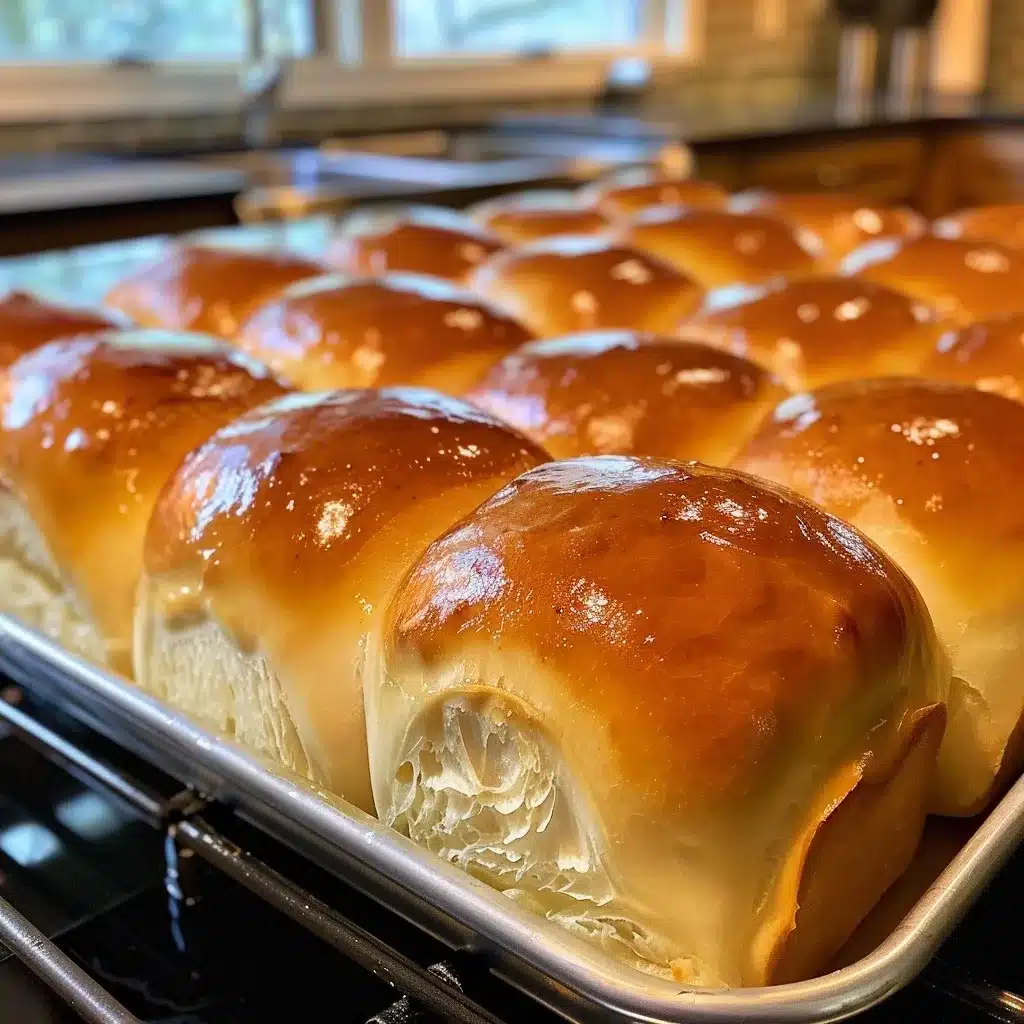
Soft homemade dinner rolls are fluffy, buttery bread spheres that elevate any meal. These rolls require simple pantry staples like flour, yeast, milk, and butter to achieve a professional bakery texture at home. Mastering this dough produces a pillowy interior with a golden crust that pairs perfectly with soups, stews, or a simple Sunday roast. You will find that these rolls surpass store-bought varieties in both flavor and structural integrity.
Recipe Overview
| Metric | Details |
|---|---|
| Prep Time | 20 minutes |
| Cook Time | 20 minutes |
| Total Time | 2 hours 40 minutes |
| Servings | 12 rolls |
| Difficulty | Intermediate |
| Cuisine | American |
Why This Recipe Works
This recipe works because it relies on the tangzhong-adjacent method of using warm milk rather than water to tenderize the gluten strands. By substituting milk for water, you introduces fats and sugars that keep the bread soft for days after baking.
My experience testing this dough shows that a double proofing process is essential for creating the signature cloud-like texture. Keeping the dough slightly tacky to the touch ensures that the final result remains airy instead of dry or crumbly common in novice bread baking.
Ingredients
| Ingredient | Quantity | Notes |
|---|---|---|
| All-Purpose Flour | 4 cups | Bread flour is a suitable alternative for chewiness. |
| Active Dry Yeast | 2.25 tsp | Ensure the yeast is not expired for proper rise. |
| Whole Milk | 1.5 cups | Must be warmed to 110F to activate the yeast. |
| Unsalted Butter | 4 tbsp | Melted and cooled slightly before adding. |
| Granulated Sugar | 3 tbsp | Feeds the yeast and promotes browning. |
| Salt | 1.5 tsp | Table salt is preferred for even distribution. |
| Egg | 1 large | Brought to room temperature for mixing. |
Step-by-Step Instructions
Activating the Yeast
- Combine warm milk and one tablespoon of sugar in a bowl.
- Sprinkle yeast over the milk mixture and let it sit for ten minutes until foamy.
Forming the Dough
- Whisk flour, remaining sugar, and salt in a large mixing bowl.
- Add the yeast mixture, melted butter, and egg to the dry ingredients.
- Mix with a wooden spoon or stand mixer until a shaggy dough forms.
- Knead the dough on a floured surface for eight minutes until smooth and elastic.
Proofing and Shaping
- Place the ball of dough into a greased bowl and cover with a damp cloth.
- Allow the dough to rise in a warm, draft-free spot for 90 minutes.
- Punch down the risen dough and divide it into 12 equal portions.
- Roll each portion into a tight ball and arrange into a greased 9×13 baking dish.
- Cover the pan and perform a second rise for 45 minutes until doubled.
Baking
- Preheat your oven to 375F degrees while the rolls complete their second rise.
- Brush the tops with an egg wash for a glossy finish.
- Bake for 18 to 22 minutes until the tops are golden brown.
- Cool in the pan for five minutes before serving warm.
Chef Tips for Perfect Results
- Measure your flour using the spoon-and-level method to avoid adding too much which causes dryness.
- Maintain a consistent warm environment for proofing to ensure the yeast remains active throughout the process.
- Use a thermometer to verify the milk temperature is between 105F and 115F to avoid killing the yeast.
- Brush the hot rolls with extra melted salted butter immediately after pulling them from the oven for a bakery finish.
Common Mistakes to Avoid
- Over-flouring the workspace leads to tough, dry rolls because the dough absorbs excess starch during kneading.
- Using water that is too hot kills the yeast and prevents the bread from rising during testing.
- Skipping the second rise creates dense rolls that lack the desired airy, cloud-like pull-apart texture.
- Baking at the wrong temperature causes the exterior to burn before the middle finishes cooking fully.
Variations and Substitutions
| Ingredient | Substitution | Impact on Flavor |
|---|---|---|
| Whole Milk | Oat Milk | Lighter, slightly nutty profile. |
| Unsalted Butter | Olive Oil | Savory finish with a softer crust. |
| Granulated Sugar | Honey | Deeper, floral sweetness. |
Serving Suggestions and Pairings
Serve these rolls alongside a bowl of creamy tomato soup for a comforting lunch. They also serve as the perfect vessel for sliders or as a side dish for holiday gatherings. Butter, honey, and fruit preserves are the classic topping choices for these warm rolls.
Storage and Reheating
| Method | Duration | Instructions |
|---|---|---|
| Countertop | 2 days | Store in an airtight container or zip-top bag. |
| Freezer | 3 months | Wrap rolls tightly in foil and store in a freezer bag. |
| Reheating | 5-10 minutes | Warm at 300F until softened and heated through. |
Nutritional Information
| Nutrient | Amount per Serving |
|---|---|
| Calories | 180 kcal |
| Protein | 5g |
| Fat | 4g |
| Carbohydrates | 28g |
| Fiber | 1g |
| Sugar | 4g |
| Sodium | 250mg |
Approximate values.
Frequently Asked Questions
Can I make soft homemade dinner rolls ahead of time?
Yes, you can refrigerate the shaped dough overnight after the first rise to bake the next day. Allow the dough to come to room temperature before performing the final rise and baking as directed.
How do I know when the rolls are fully baked?
The rolls are finished when they look deeply golden brown on top and register at least 190F on an internal probe thermometer. Another indicator is a hollow sound when tapping the bottom of a roll.
What is the secret to getting a soft crust?
Brushing the rolls with melted butter immediately after removing them from the oven creates a soft, supple crust. Covering the pan with a clean kitchen towel while they cool also helps steam the tops gently.
Why did my rolls not rise properly?
Your yeast was likely expired or the liquid ingredient temperature was insufficient to activate the yeast. Always verify your yeast expiration date and use an accurate thermometer for the milk temperature.
Can I replace all-purpose flour with whole wheat flour?
You can replace up to half of the all-purpose flour with whole wheat flour without drastically changing the texture. Expect a denser roll if you attempt to use 100 percent whole wheat flour in this recipe.
Mastering these rolls brings immense satisfaction to your baking repertoire. With practice, you will find yourself reaching for this recipe every time you crave the comfort of fresh, warm bread. Enjoy the process of kneading and the incredible aroma that fills your kitchen while they bake. Practice these steps to ensure consistent success and invite your family to share in the delicious results of your baking efforts.
Soft Homemade Dinner Rolls
Ingredients
Method
- Combine warm milk and 1 tbsp of sugar in a bowl, sprinkle with yeast, and let sit for 10 minutes until foamy.
- Whisk flour, remaining sugar, and salt in a large bowl.
- Add the yeast mixture, melted butter, and egg to the dry ingredients.
- Mix until a shaggy dough forms.
- Knead on a floured surface for 8 minutes until smooth and elastic.
- Place dough in a greased bowl, cover with a damp cloth, and rise in a warm spot until doubled.