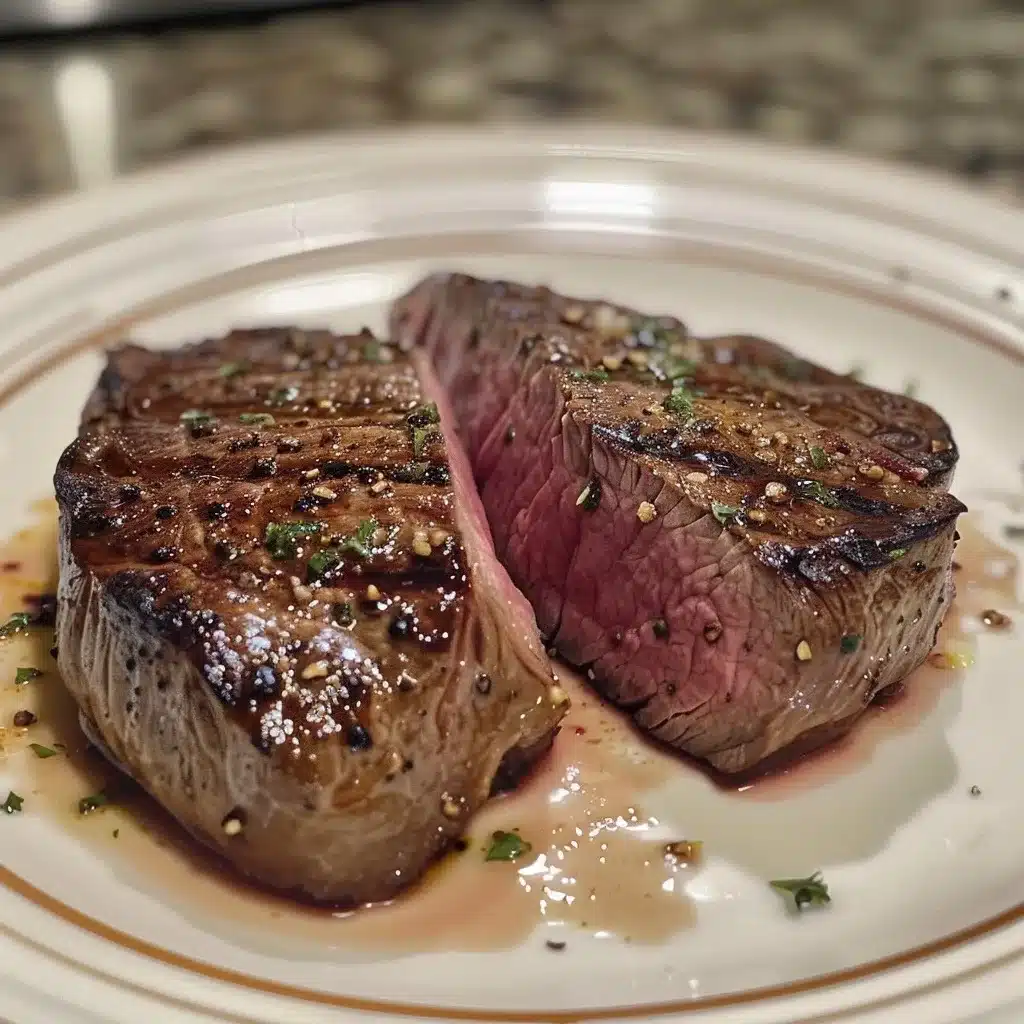
The ultimate Denver steak recipe for home cooks transforms this underrated cut of beef into a restaurant-quality meal using high-heat searing techniques. This shoulder-clod cut offers exceptional marbling and deep flavor profiles when prepared with precision. Proper seasoning and resting periods ensure the beef retains moisture while achieving a perfect crust that rivals expensive artisan cuts.
Recipe Overview
| Attribute | Details |
|---|---|
| Prep Time | 15 minutes |
| Cook Time | 10 minutes |
| Total Time | 25 minutes |
| Servings | 2 people |
| Difficulty | Intermediate |
| Cuisine | Modern American |
Why This Recipe Works
This recipe works because the Denver steak, or underblade roast, possesses an incredible fat content that renders beautifully during a rapid sear. My experience cooking this cut confirms that focusing on a heavy cast-iron skillet remains the gold standard for achieving the Maillard reaction needed for a deep crust. You will find this cut much more affordable than ribeye while offering a similar texture and beefy richness for your dinner table.
By limiting the cook time and emphasizing the resting phase, you prevent the muscle fibers from tightening too much. This specific approach ensures that every bite remains tender regardless of the initial toughness often associated with shoulder cuts. Many home cooks overlook this preparation method and miss out on the superior flavor profiles hidden within these marbled tissues.
Ingredients
| Ingredient | Quantity | Notes |
|---|---|---|
| Denver Steak | 16 oz (2 steaks) | Look for heavy white marbling |
| Kosher Salt | 1 tbsp | Coarse grain preferred |
| Black Pepper | 1 tsp | Freshly cracked |
| Unsalted Butter | 2 tbsp | Grass-fed for better finish |
| Garlic Cloves | 3 pcs | Smashed gently |
| Fresh Thyme | 4 sprigs | Dried thyme is not an alternative |
Step-by-Step Instructions
Prep and Seasoning
- Remove the steaks from the refrigerator 45 minutes prior to cooking to ensure the internal temperature reaches room level.
- Pat the meat surfaces completely dry using paper towels to allow for optimal browning on the skillet.
- Season both sides heavily with kosher salt and black pepper just before placing them into the preheated pan.
Searing and Basting
- Heat a heavy cast-iron skillet over medium-high heat until the surface smokes slightly.
- Place the steaks carefully into the pan and sear for three minutes without moving the meat to develop a dark crust.
- Flip the steaks after the crust forms and add the butter, garlic, and fresh thyme to the skillet.
- Baste the steaks continuously with the foaming butter mixture for another three minutes.
- Remove the steaks from the pan when they reach an internal temperature of 130 degrees Fahrenheit.
Resting
- Transfer the meat to a warm plate and pour the pan juices over the top before covering loosely with foil.
- Rest the steaks for at least 10 minutes to allow the juices to redistribute throughout the tissue.
Chef Tips for Perfect Results
- Use a meat thermometer to verify internal temperatures rather than relying on touch alone.
- Ensure the skillet is seasoned well to prevent the meat from sticking during the searing process.
- Slice the meat against the grain to maximize tenderness for every bite you serve.
- Drop the heat slightly before butter-basting to prevent the milk solids in the butter from burning.
- Allow the steak to rest for the full ten minutes to ensure the juiciest possible finish.
Common Mistakes to Avoid
One major mistake involves adding the salt too late, which prevents proper penetration into the fibers. Always season at least 10 minutes before cooking. A second error is cooking straight from the fridge because cold meat creates uneven internal temperature gradients. Another frequent error is overcrowding the pan, which lowers the surface temperature and causes the steak to steam instead of sear. Finally, ignoring the grain direction during slicing leads to chewy steaks, so always inspect the muscle fibers first.
Variations and Substitutions
| Ingredient | Substitution | Impact on Flavor |
|---|---|---|
| Butter | Ghee | Higher smoke point for longer searing |
| Thyme | Fresh Rosemary | More potent pine notes |
| Garlic | Shallots | Adds a subtle sweetness to the pan sauce |
Serving Suggestions and Pairings
Serve your Denver steak alongside creamy mashed potatoes or roasted root vegetables to balance the heavy beef flavor. For a lighter approach, a crisp arugula salad with a lemon vinaigrette provides a nice acidic contrast to the rich pan-drippings. A side of charred broccoli or garlic-sautéed kale works exceptionally well for an elegant, nutritious dinner.
Storage and Reheating
| Method | Duration | Instructions |
|---|---|---|
| Refrigerator | 3 days | Keep in an airtight glass container |
| Reheating | 3 minutes | Gentle oven heat at 250 degrees Fahrenheit |
Nutritional Information
| Nutrient | Amount per Serving |
|---|---|
| Calories | 420 kcal |
| Protein | 38g |
| Fat | 28g |
| Carbohydrates | 0g |
| Sodium | 450mg |
| Fiber | 0g |
Approximate values.
Frequently Asked Questions
Can I substitute Denver steak with another cut?
You can substitute Denver steak with flat iron or top blade roast because they share similar structural characteristics. These cuts provide the same level of tenderness and marbling suitability for high-heat searing.
How do I achieve medium-rare doneness consistently?
Achieve medium-rare results consistently by removing the steak from the heat source when an instant-read thermometer registers 125 degrees Fahrenheit. The temperature will rise to the target of 130 degrees during the mandatory ten-minute resting period.
Why is my steak tough after cooking?
Your steak is tough because you sliced the meat with the grain rather than against it. Slicing against the grain ensures that you shorten the long muscle fibers, which dramatically improves the tenderness of the bite.
Can I prepare this recipe ahead of time?
You cannot fully cook this dish ahead of time without compromising the quality of the temperature and moisture. You may season the steaks with salt one hour early but reserve the cooking process for immediate serving.
How do I fix a steak that was under-rested?
There is no way to fix a steak that was under-rested once the juices have escaped onto the cutting board. Ensure future success by setting a timer to guarantee that you give the fibers enough time to absorb the fluids.
Conclusion
The ultimate Denver steak recipe for home cooks delivers a succulent, professional dining experience right in your kitchen. By following the precise searing and resting steps, you unlock the intense beef flavor this cut is famous for. Master the art of the butter baste, slice against the grain, and enjoy the impressive results of your culinary effort. This classic preparation remains the best way to showcase the natural quality of the meat and elevate your home cooking routine to new heights.
The Ultimate Denver Steak
Ingredients
Method
- Remove the steaks from the refrigerator 45 minutes prior to cooking to reach room temperature.
- Pat the surfaces of the steaks completely dry with paper towels to ensure a golden-brown crust.
- Season both sides generously with kosher salt and black pepper just before cooking.
- Heat a heavy cast-iron skillet over medium-high heat until it begins to smoke slightly.
- Place steaks in the pan and sear for 3 minutes without moving them to develop a deep crust.
- Flip the steaks and add the unsalted butter, smashed garlic, and fresh thyme to the pan.
- Baste the steaks with the melting foaming butter for an additional 2-3 minutes until the desired doneness is reached.
- Remove from the skillet and allow to rest for 5-10 minutes before slicing against the grain.